Philosophy
How to actually learn Japanese through manga. The frameworks, the traps to avoid, and the way to keep going when everyone else quits.
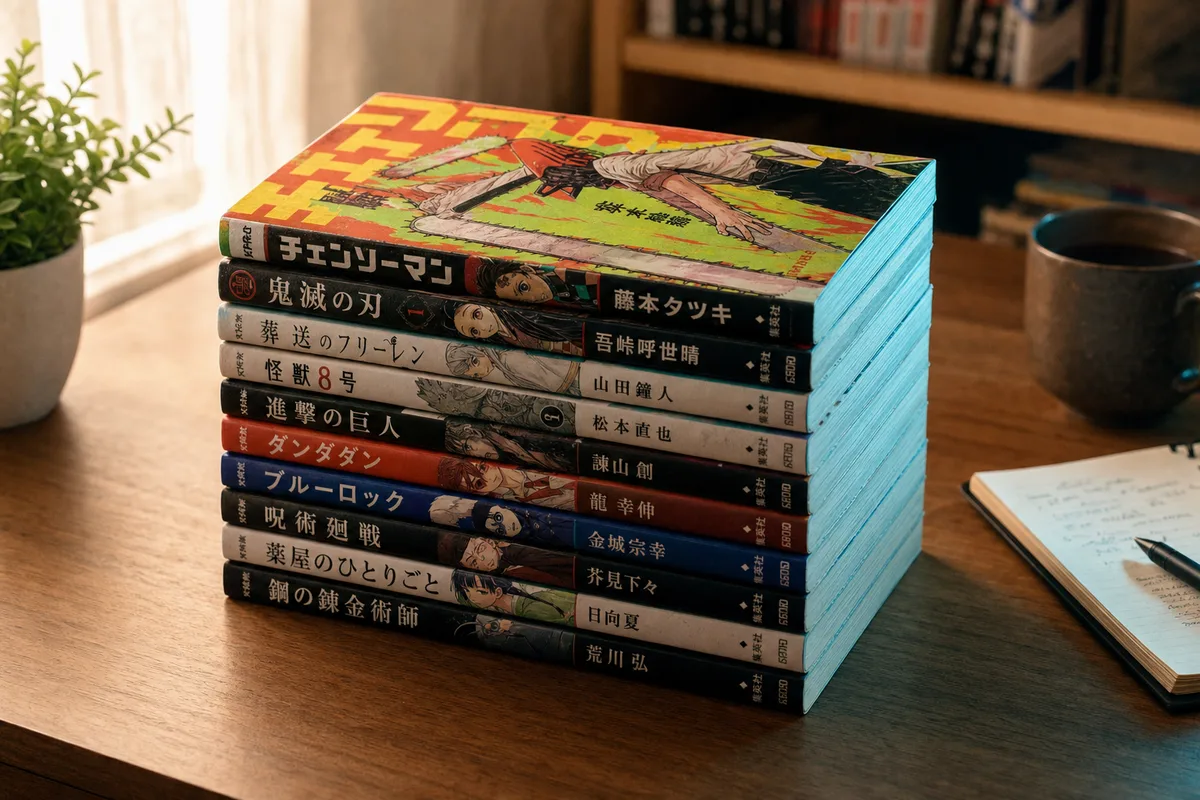
Easiest Manga to Read in Japanese: 2026 Rankings
10 manga volume 1s ranked from easiest (Chainsaw Man) to hardest (Fullmetal Alchemist) by composite difficulty, JLPT distribution, and non-jōyō kanji counts.

Why Lazy Japanese Learners Destroy Motivated Ones
Fifteen minutes a day beats six hours you’ll abandon. The activity-atrophy cycle, minimum viable effort, and why the smallest goal logs the most hours.

Gordon Ramsay Would Hate Your Study Method
The recipe is not the dish. Why memorizing Genki won’t let you read manga, and how to bridge the gap between studying Japanese and actually reading it.

Duolingo Needs You to Fail at Japanese
Duolingo’s business model depends on you never becoming fluent. Here’s how the green owl’s incentives work, why the streaks are a trap, and the only way out.

ChatGPT Knows Japanese Better Than You. Here’s Why.
ChatGPT learned Japanese without a single flashcard. Here’s why rules-based study fails, and how to learn the way fluent speakers actually do.

Why You’ll Quit Learning Japanese (And How to Make Sure You Don’t)
Between you and reading manga in Japanese, there are three demons: fear, pain, and boredom. Every person who quit got taken out by one of them. Here’s how they operate, and how to destroy them.

The Fastest Way to Learn Japanese Is Embarrassingly Easy
The activity-atrophy cycle is the single biggest reason people fail to learn Japanese. The counterintuitive fix: stop trying so hard. Fifteen minutes a day beats two hours you’ll eventually abandon.
What Is High-Torque Japanese?
Hard sentences from manga you love teach more than easy textbook sentences. The antifragility of difficult input, and why nonlinear progress beats steady incremental gains.

Flashcards Will Not Make You Fluent (But They Help)
Flashcards are not a substitute for reading manga, listening to anime, or talking with someone. They’re a force multiplier that compounds the input you’re already doing.
When to Use Mnemonic Associations to Learn Japanese
Mnemonics are great for recognition, terrible for reproduction. Why story-based memory tricks work for kanji recognition but slow you down when you actually need to read.
Foundation: Minimum Viable Knowledge Before Japanese Input
What you actually need to know before you can start reading Japanese. The kanji, vocab, and grammar prerequisites that unlock everything else.

Fluency Is Overrated
Fluency is a vague, moving target that keeps you from enjoying Japanese. Pick a concrete goal like reading manga and you’ll get further faster.
It’s Not Lack of Time, It’s Lack of Interest
If you say you don’t have time to study Japanese, you really mean it isn’t important enough yet. Make it interesting, then make it stick.

Sustainable Habits
How to design a Japanese study habit you’ll actually keep. Stagger your schedule, get specific about what counts as a session, and stop relying on motivation.
SRSly, What Is the Deal with Flashcards?
Why Japanese specifically requires spaced-repetition flashcards. The mechanics of SRS, why other languages get away without it, and why your brain needs reps to absorb 20,000+ words and kanji.